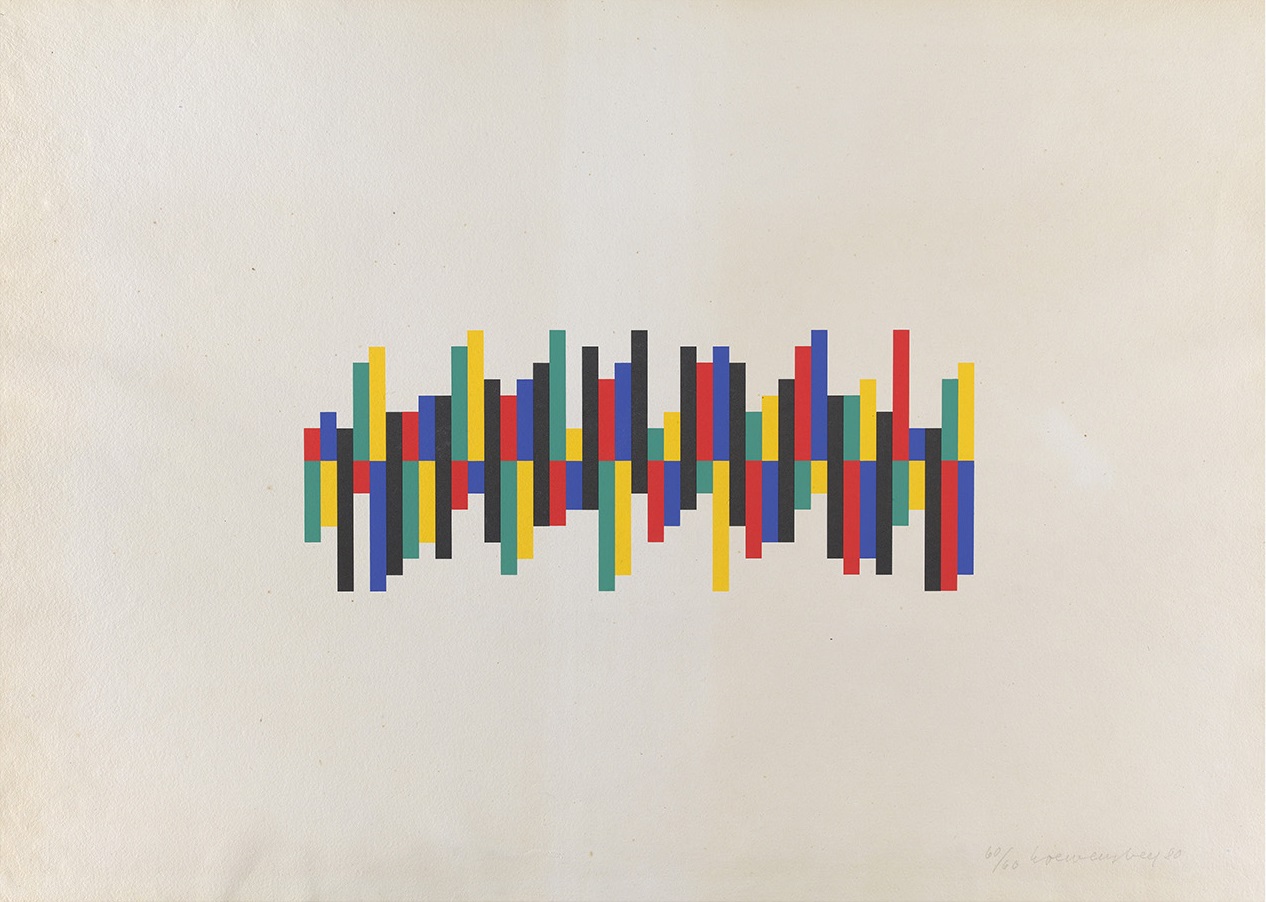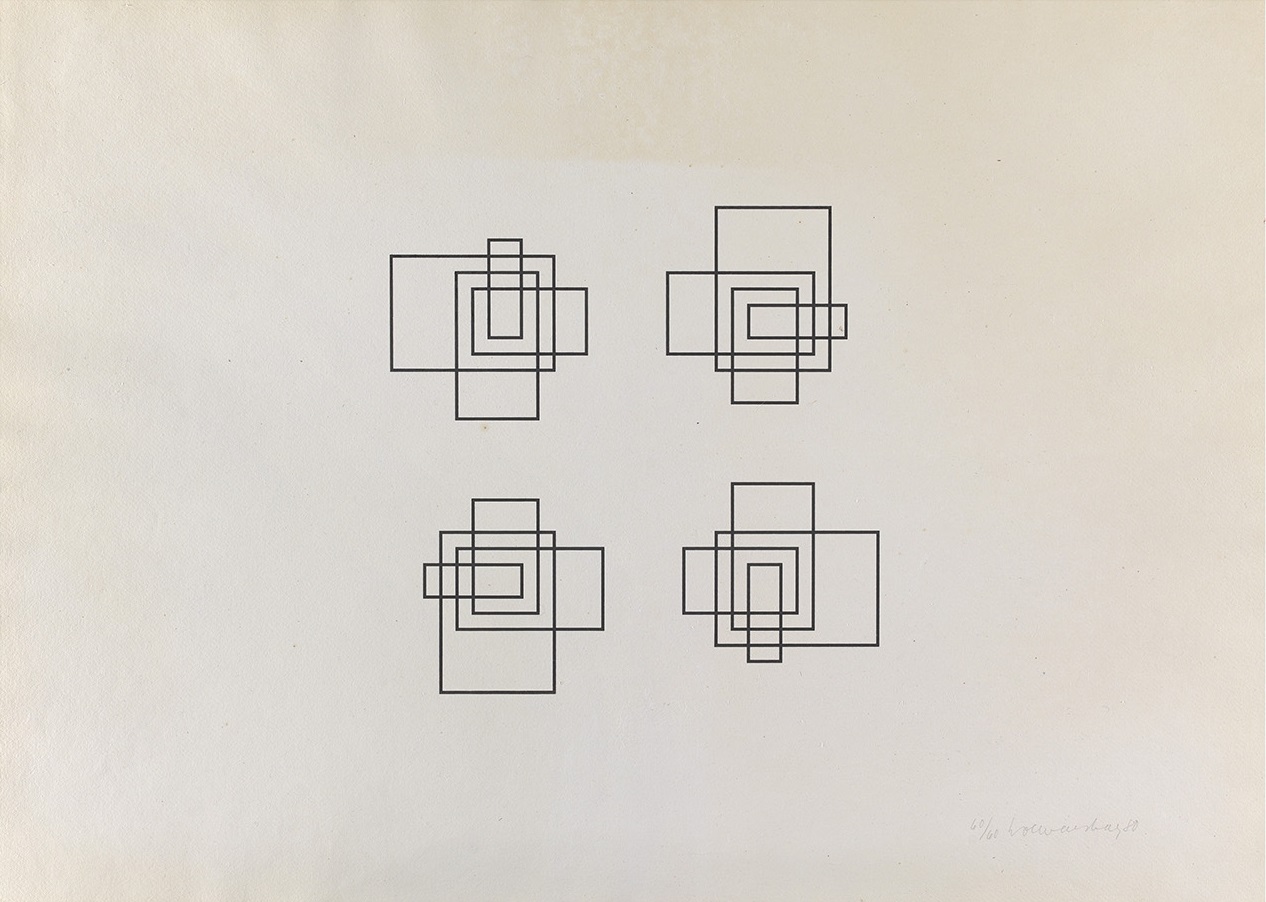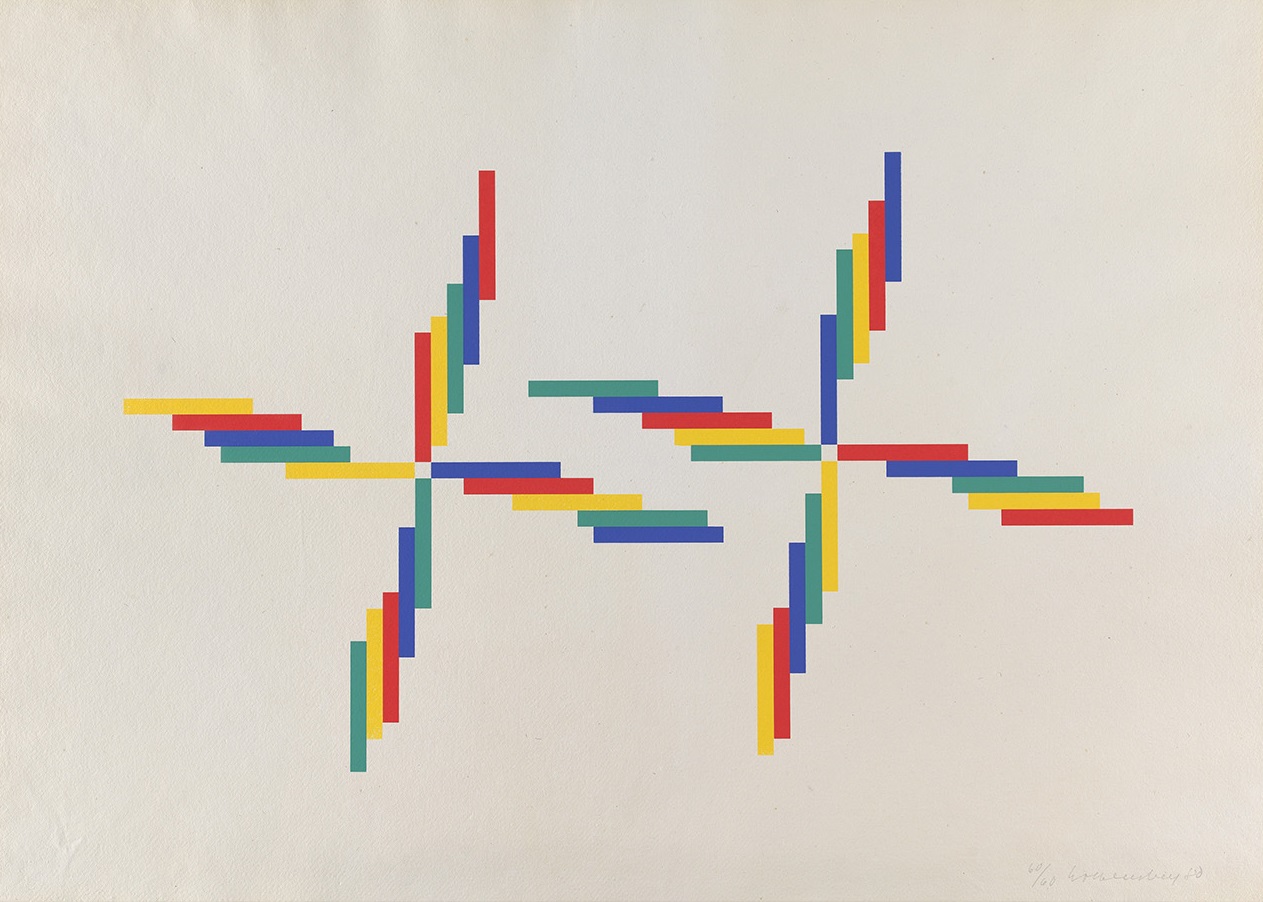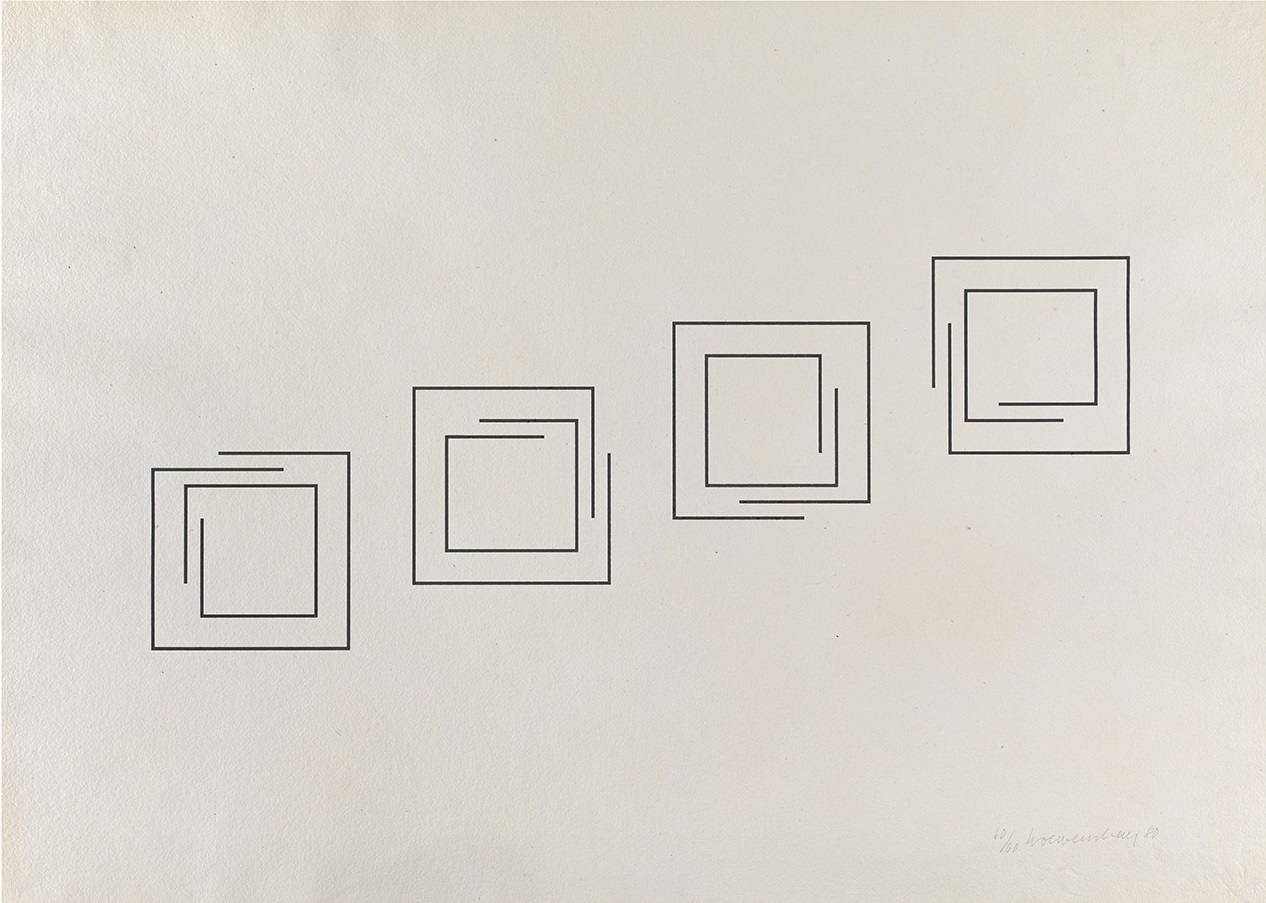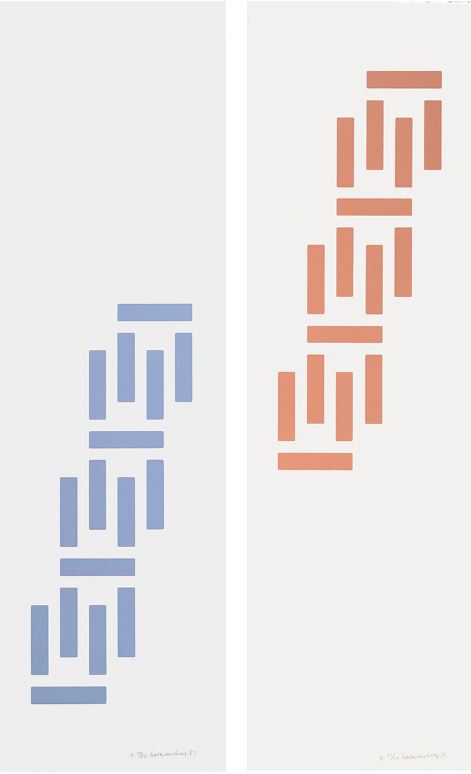

“In 1936, I started to paint concrete pictures, and I have continued working ever since.”
Along with Sophie Taeuber-Arp, Verena Loewensberg is one of the most important Swiss women artists of the twentieth century. Of a younger generation than her compatriot, she similarly trained in textiles and dance, beginning her education at the Basel School of Arts and Crafts.
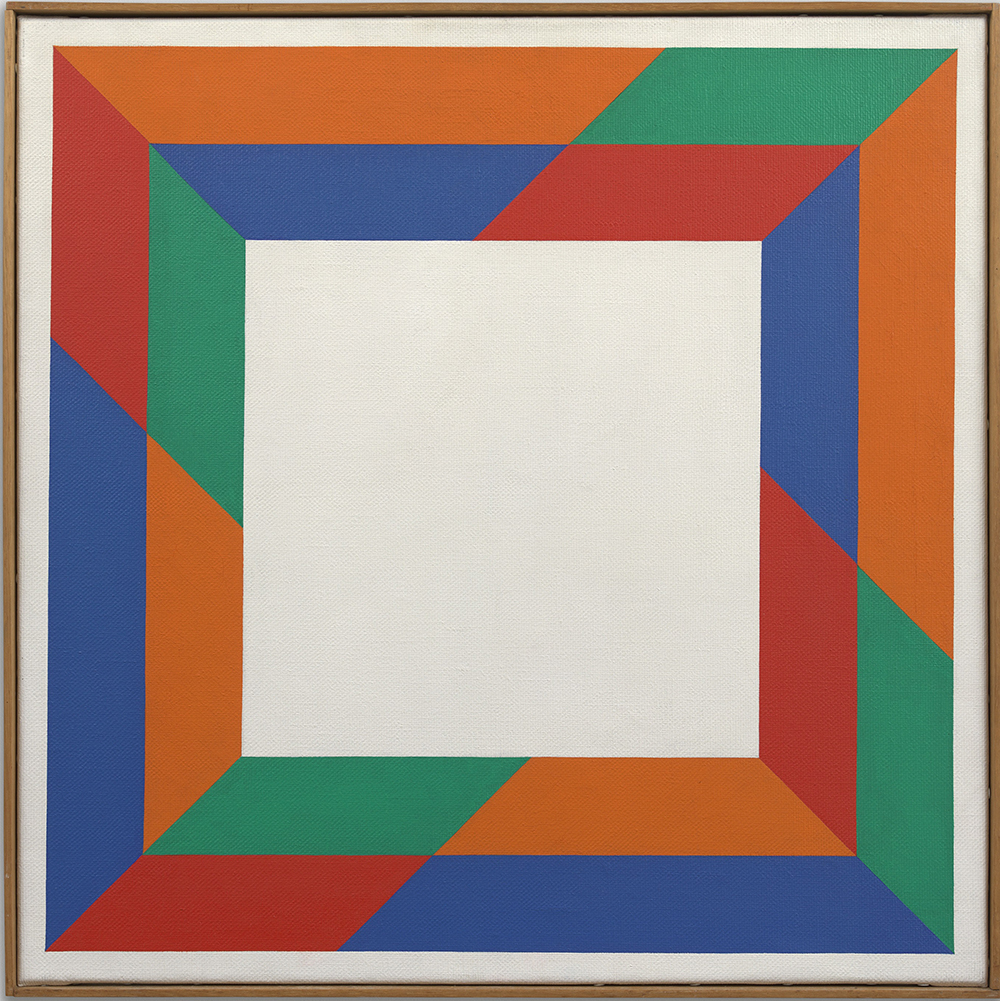
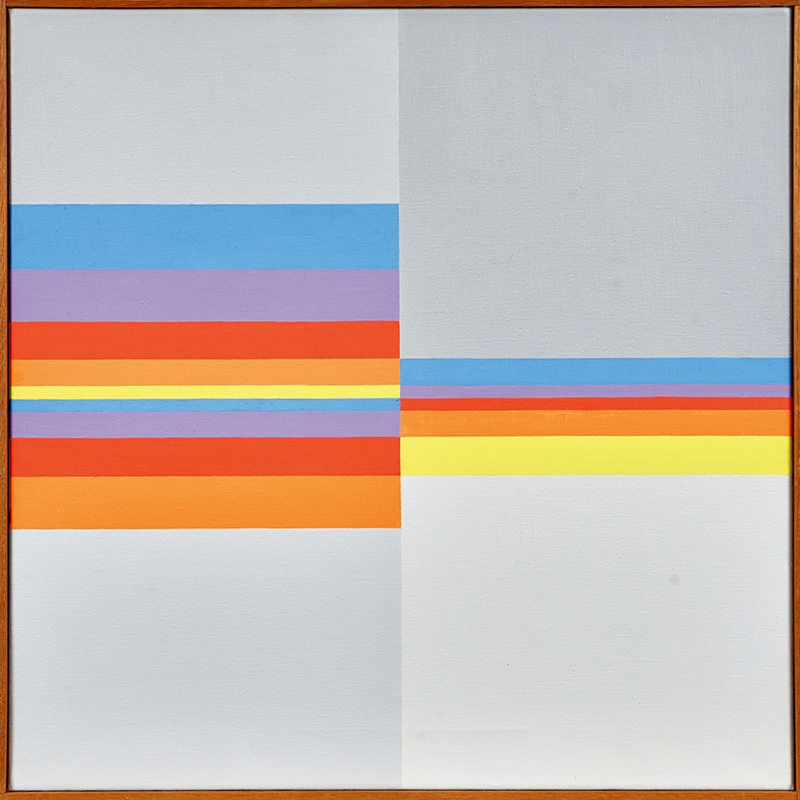
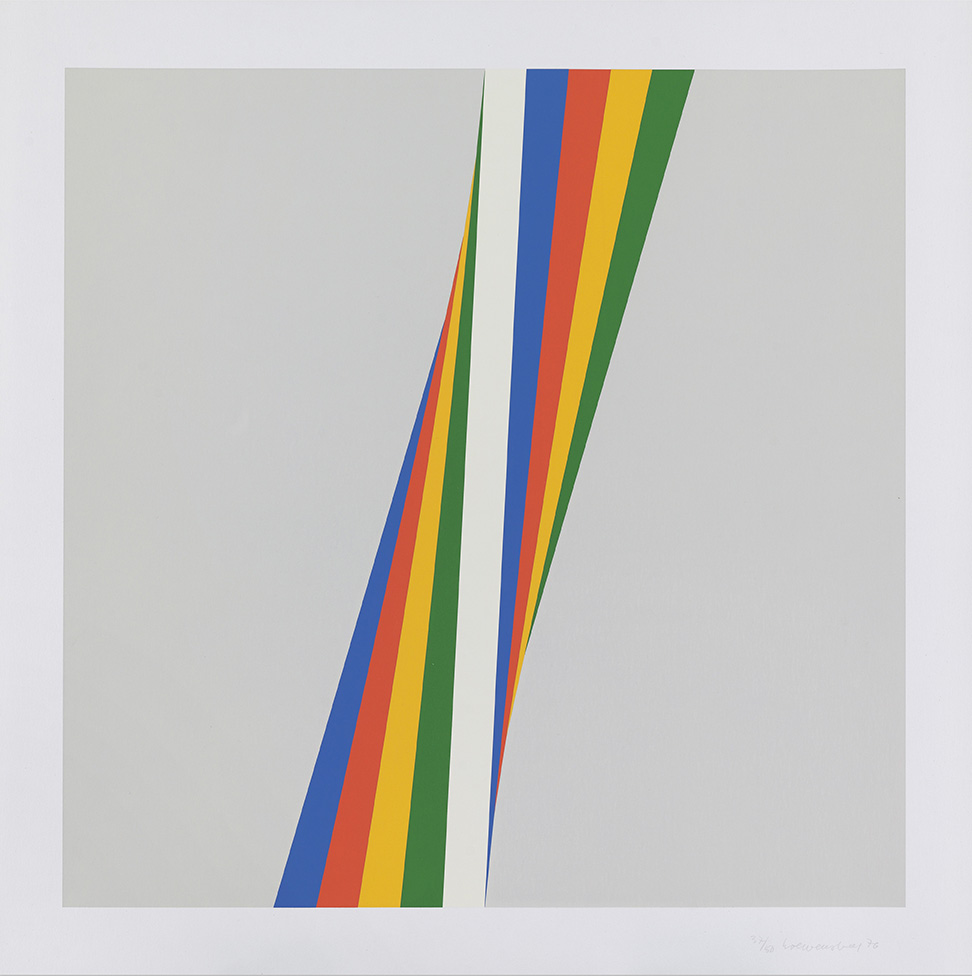
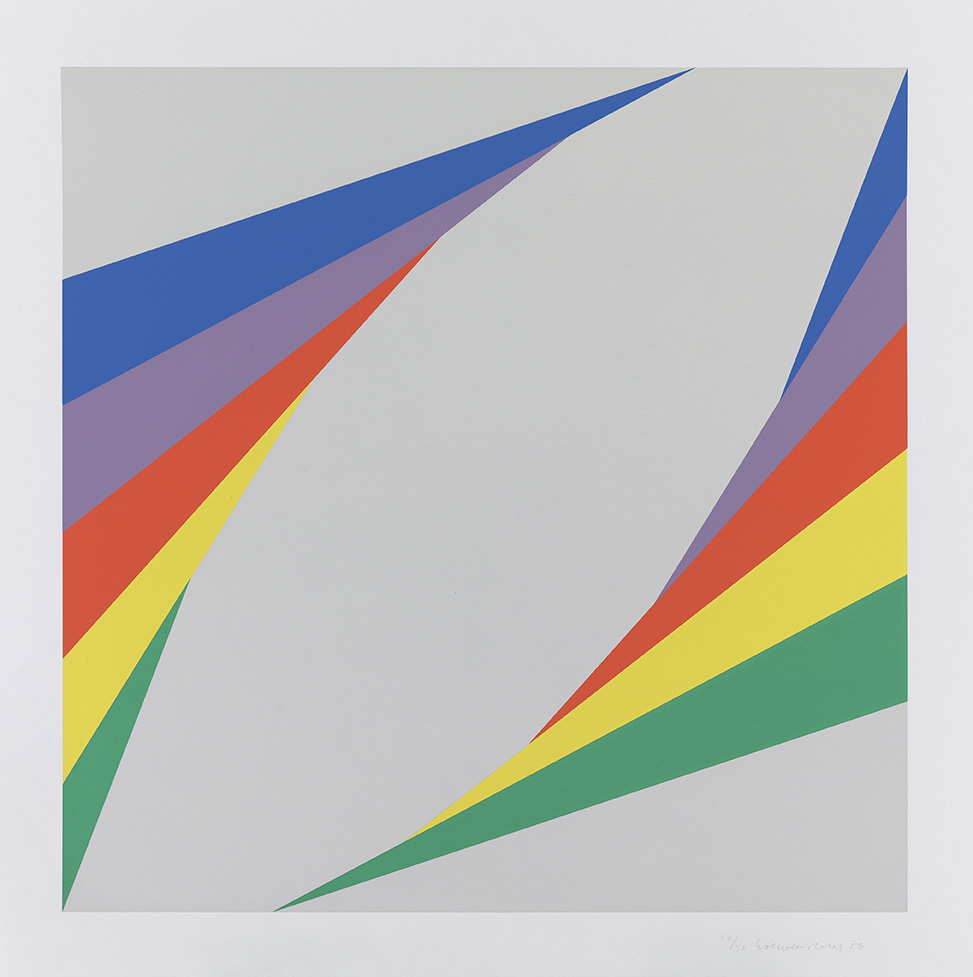
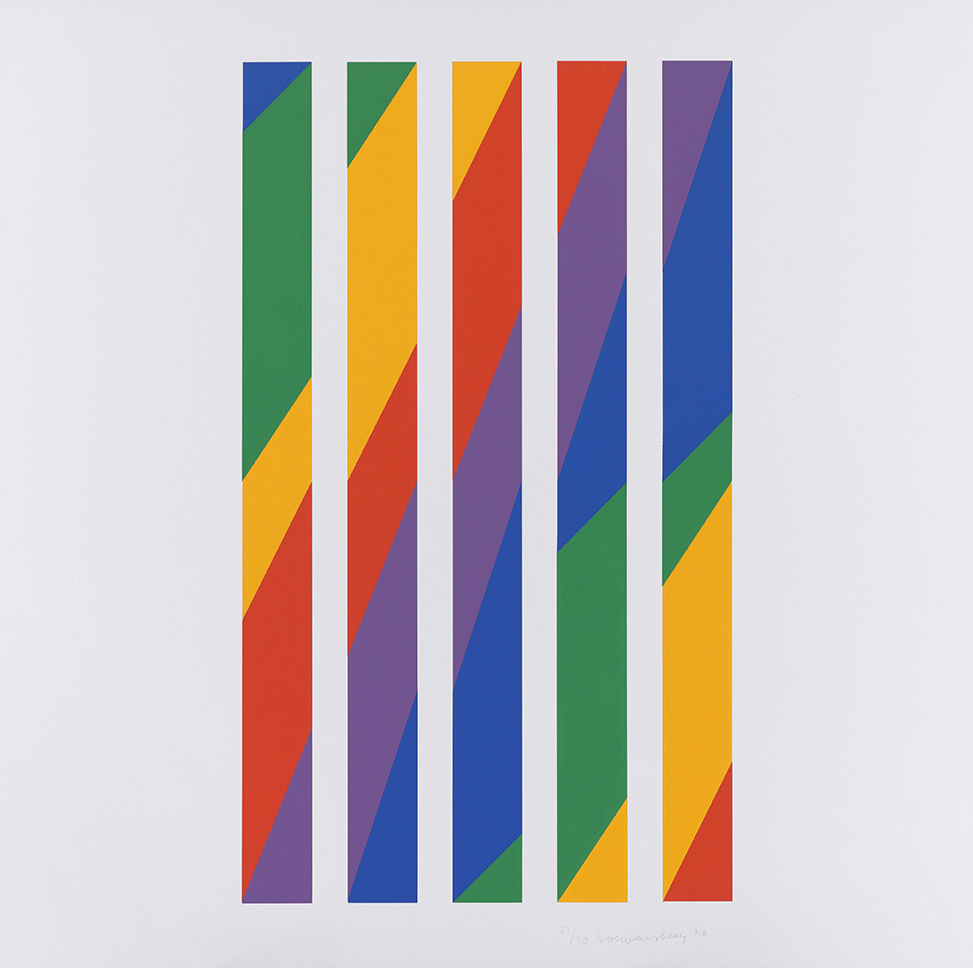
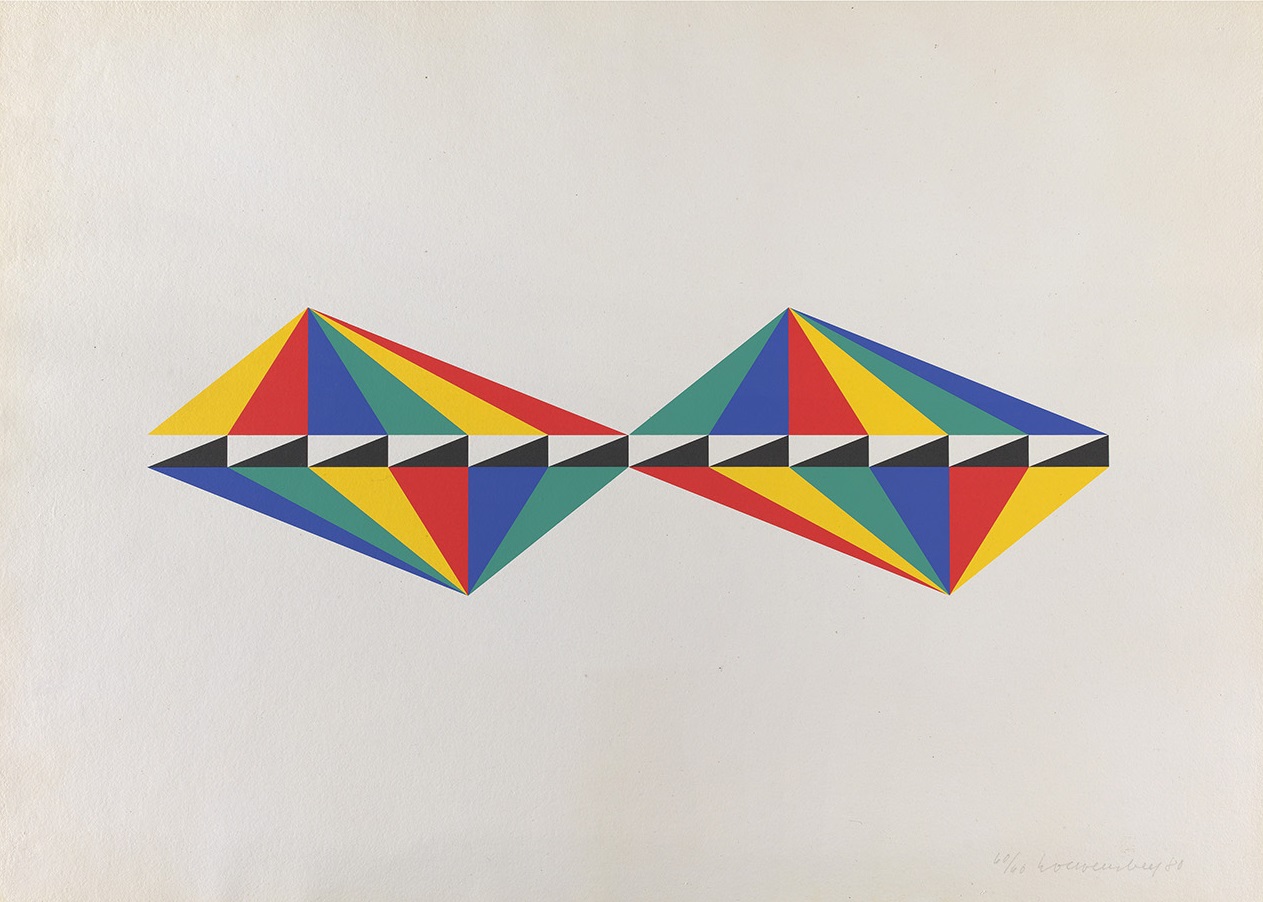
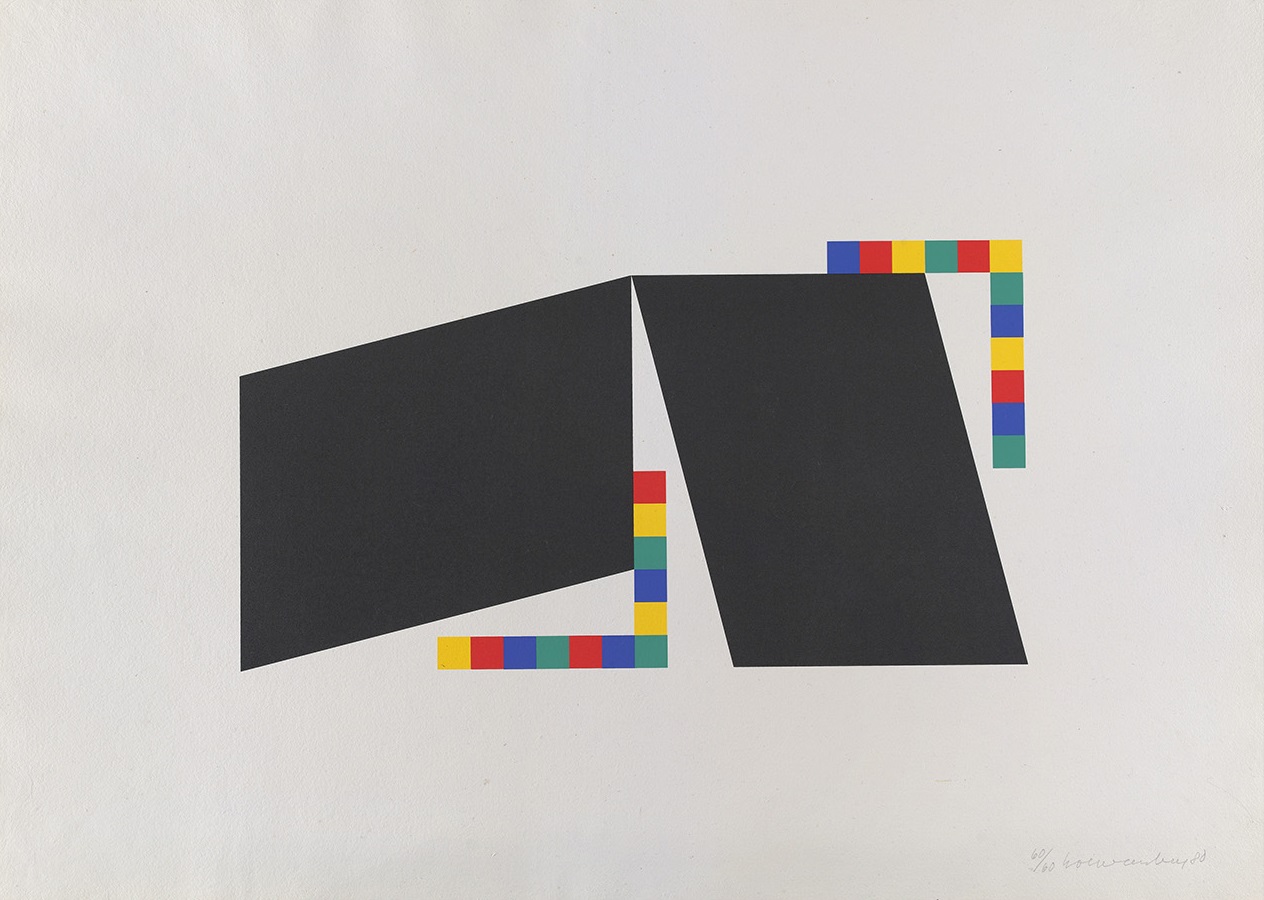
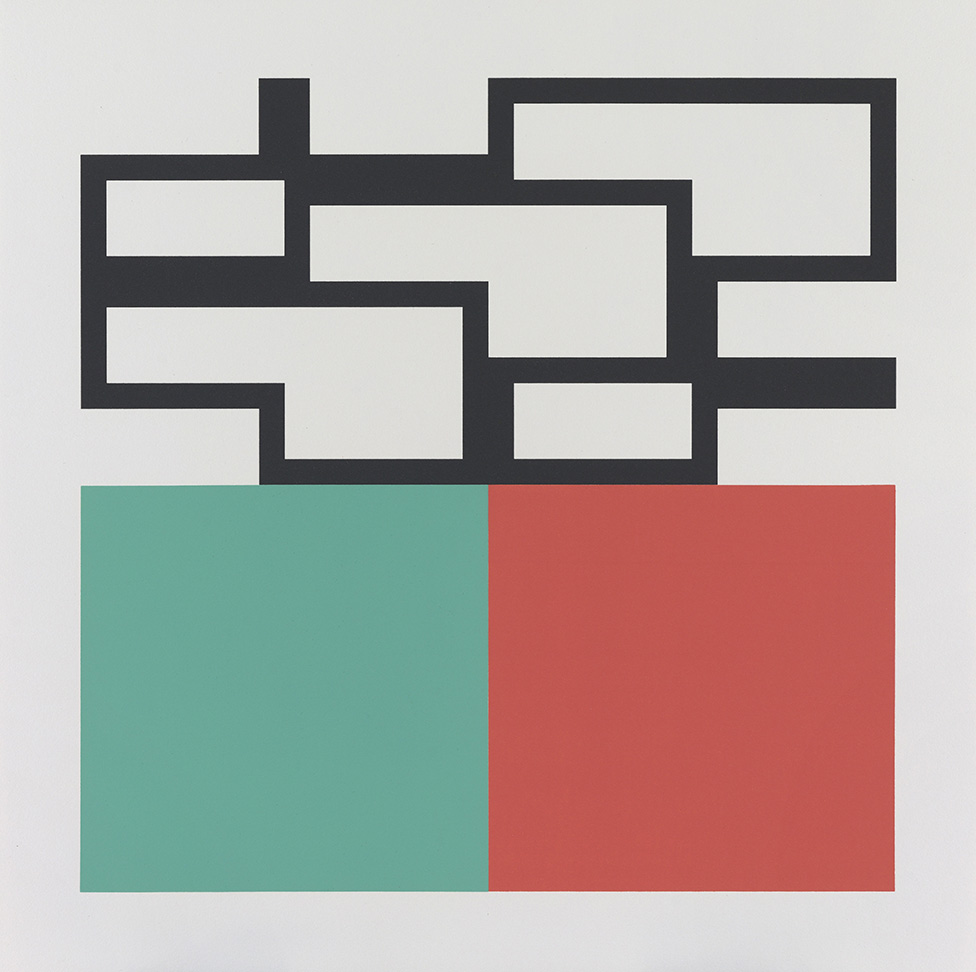
In the late 1930s, shortly after having attended Auguste Herbin’s classes at the Académie Moderne in Paris, she and her friend Max Bill formed a Zurich-based concrete art group along with Camille Graeser and Paul Lohse. The movement remained influential until the late 1960s, when other international trends like pop art and conceptual art gained pace. She was the only woman present at the founding of the Allianz association in 1937, and around this time she created her first abstract paintings, strongly influenced by the work of Theo van Doesburg and Georges Vantongerloo. Whatever surface she used (canvas, wood, silk), she paid consistent attention to the pictorial field and to the use of colour and form.
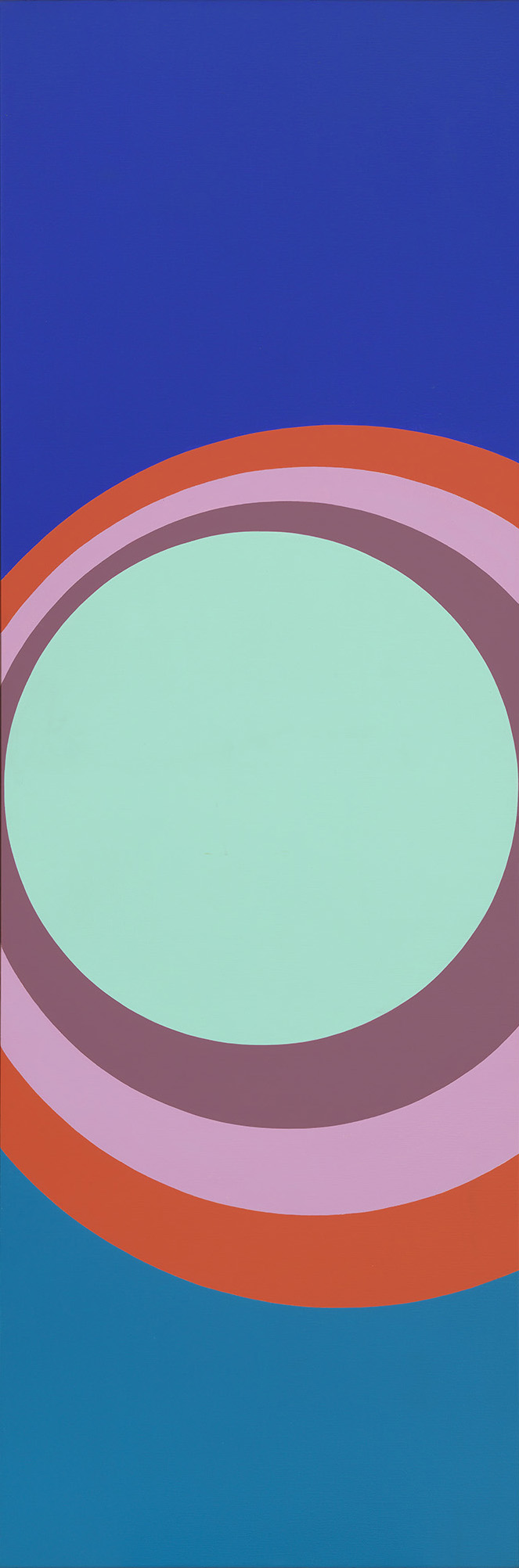
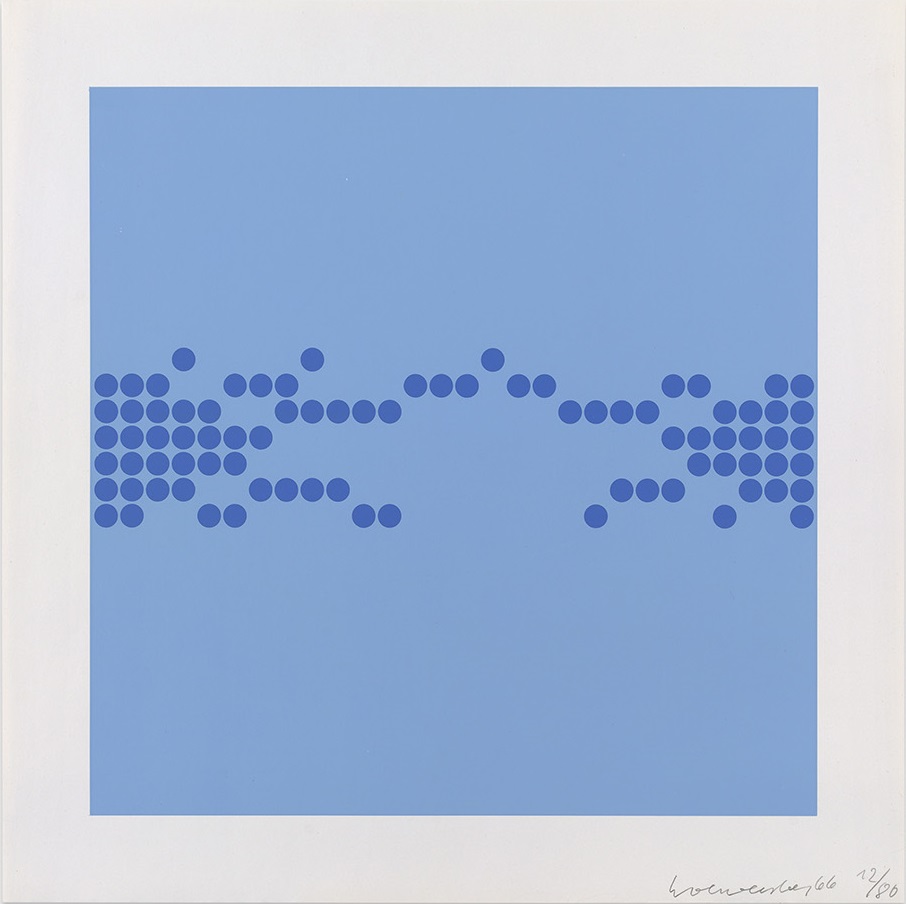
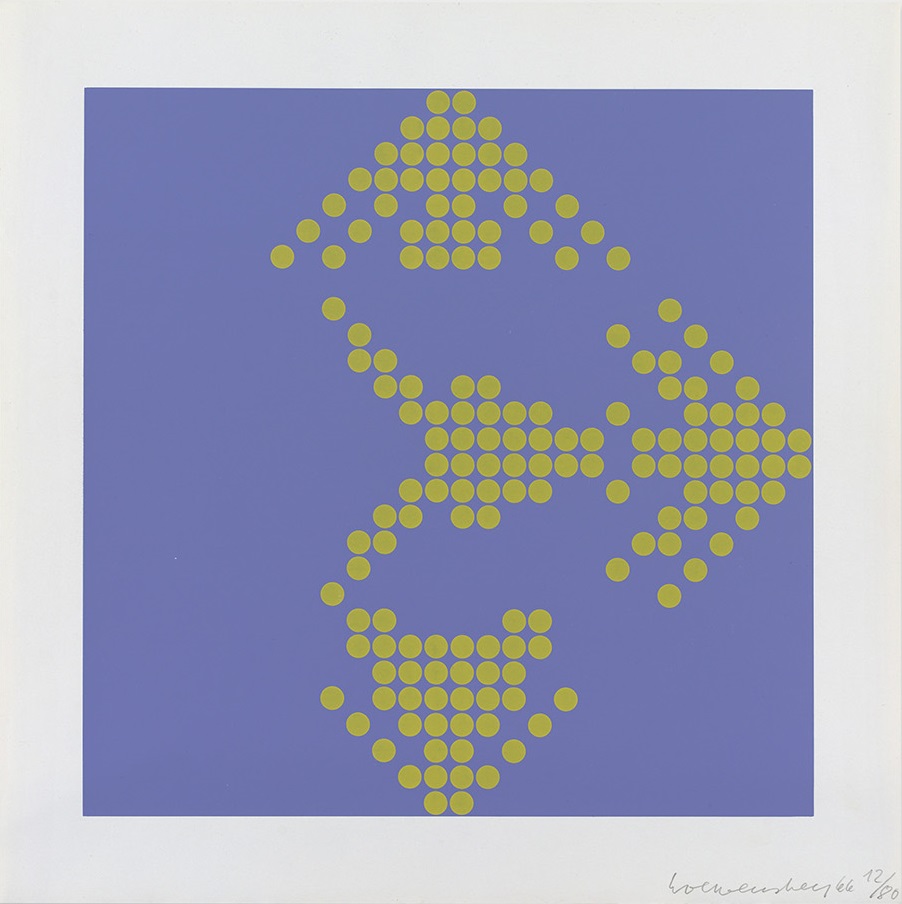
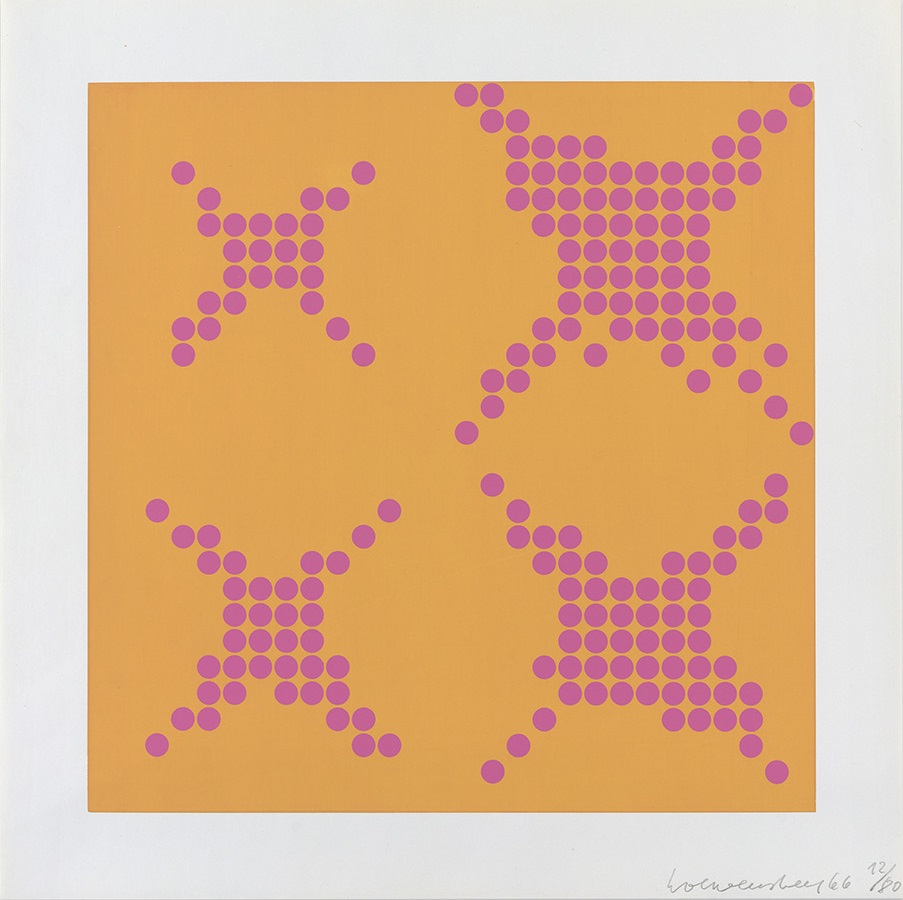
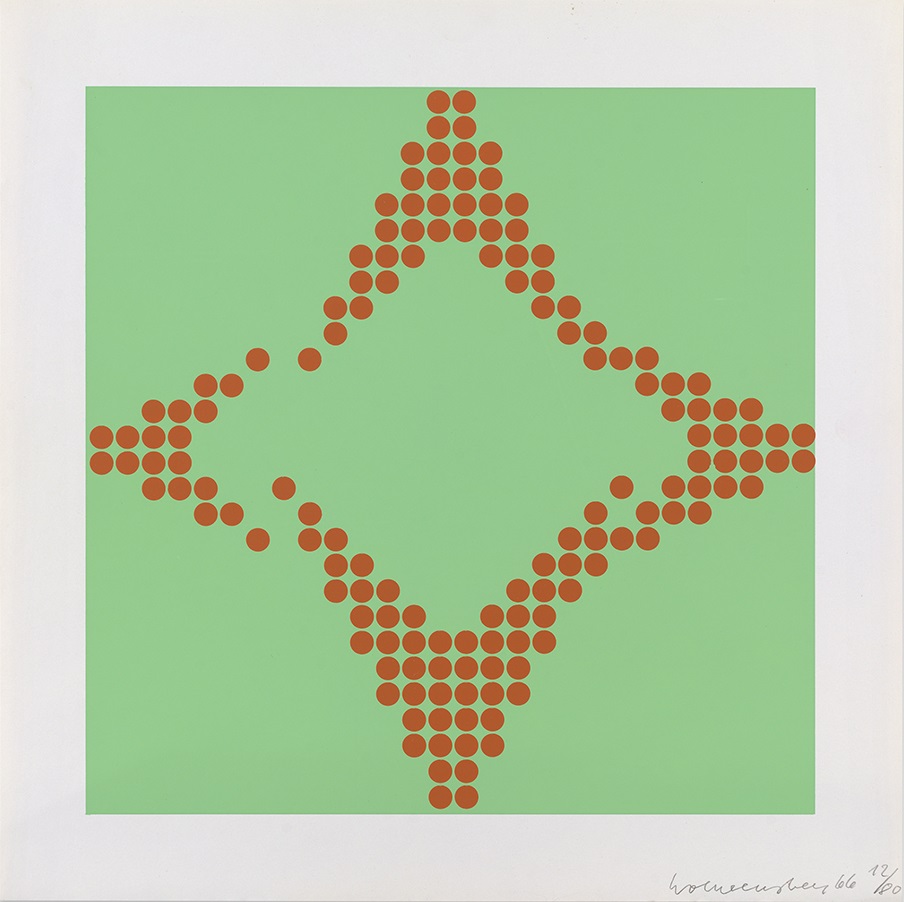
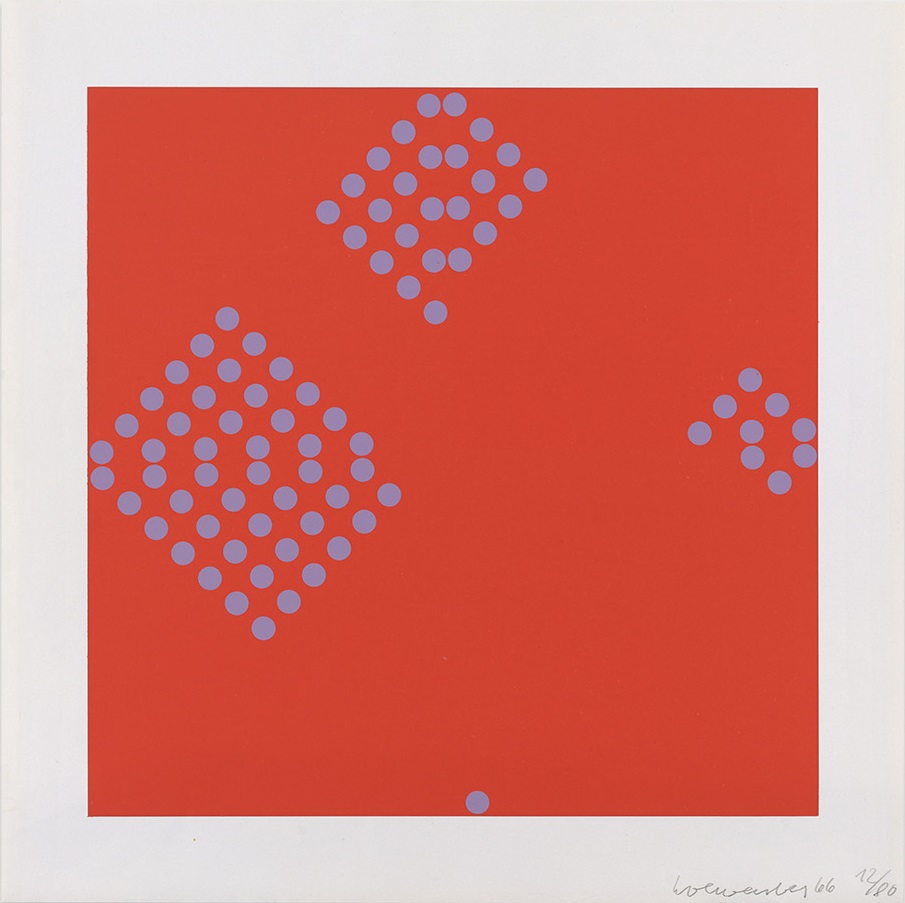
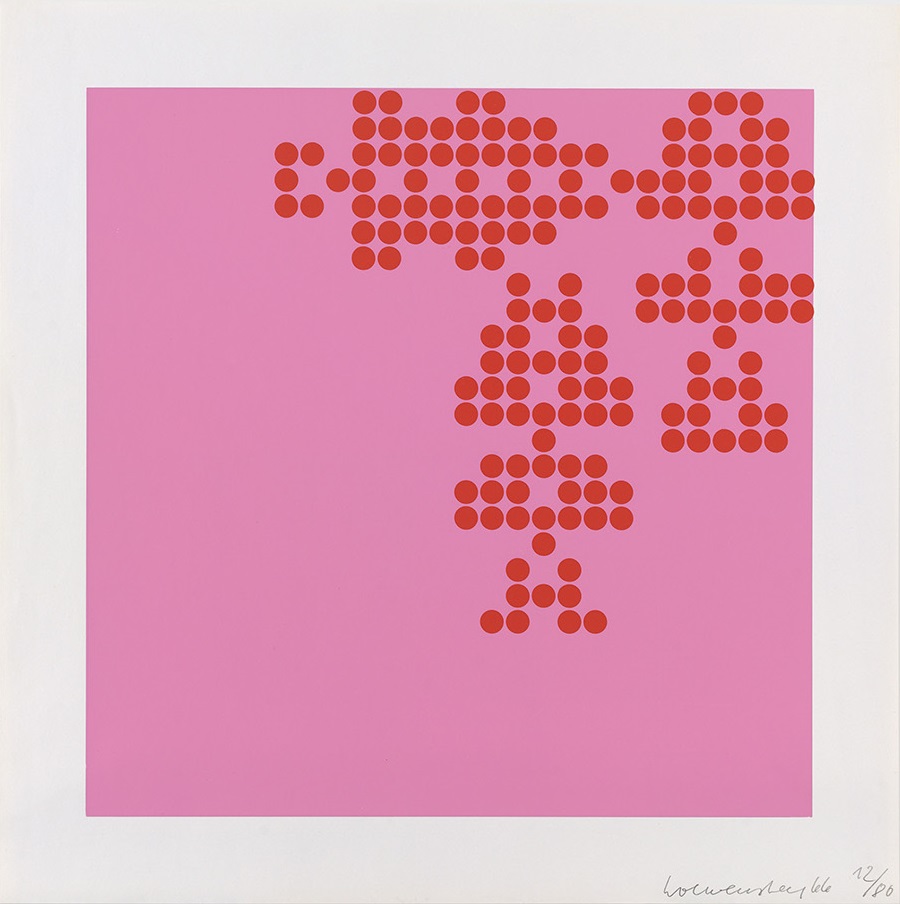
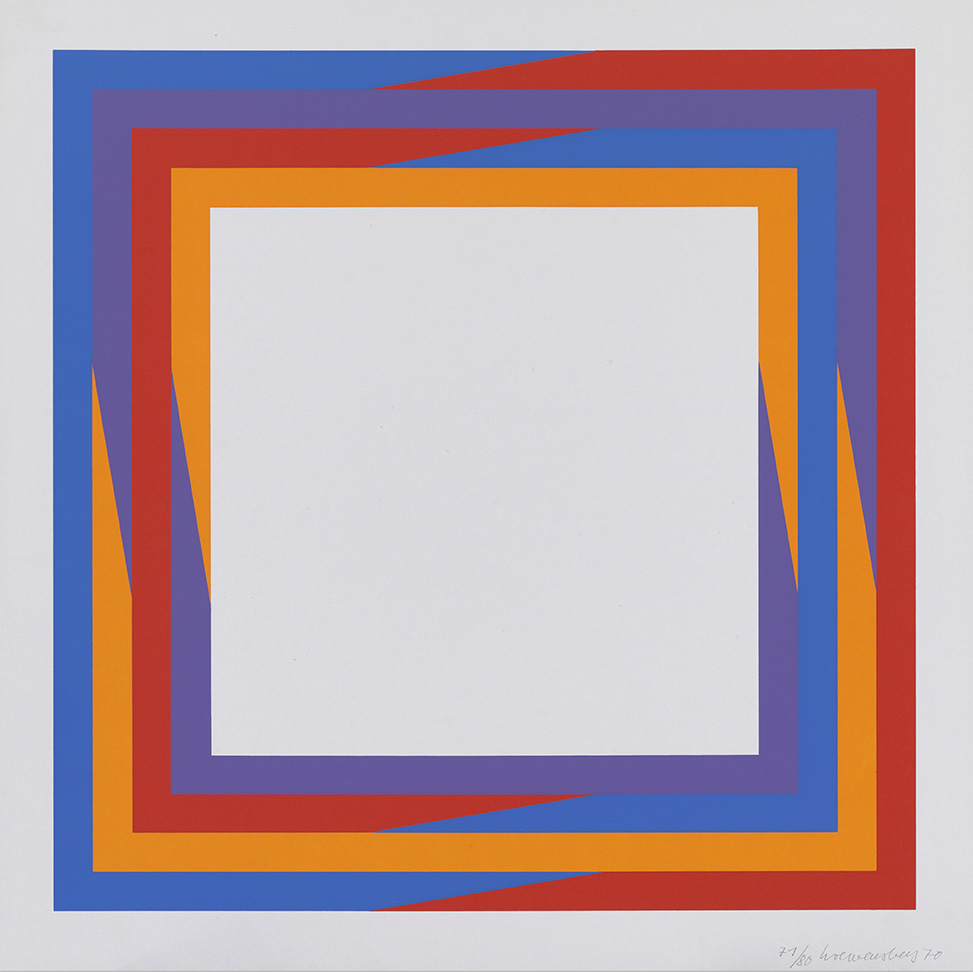
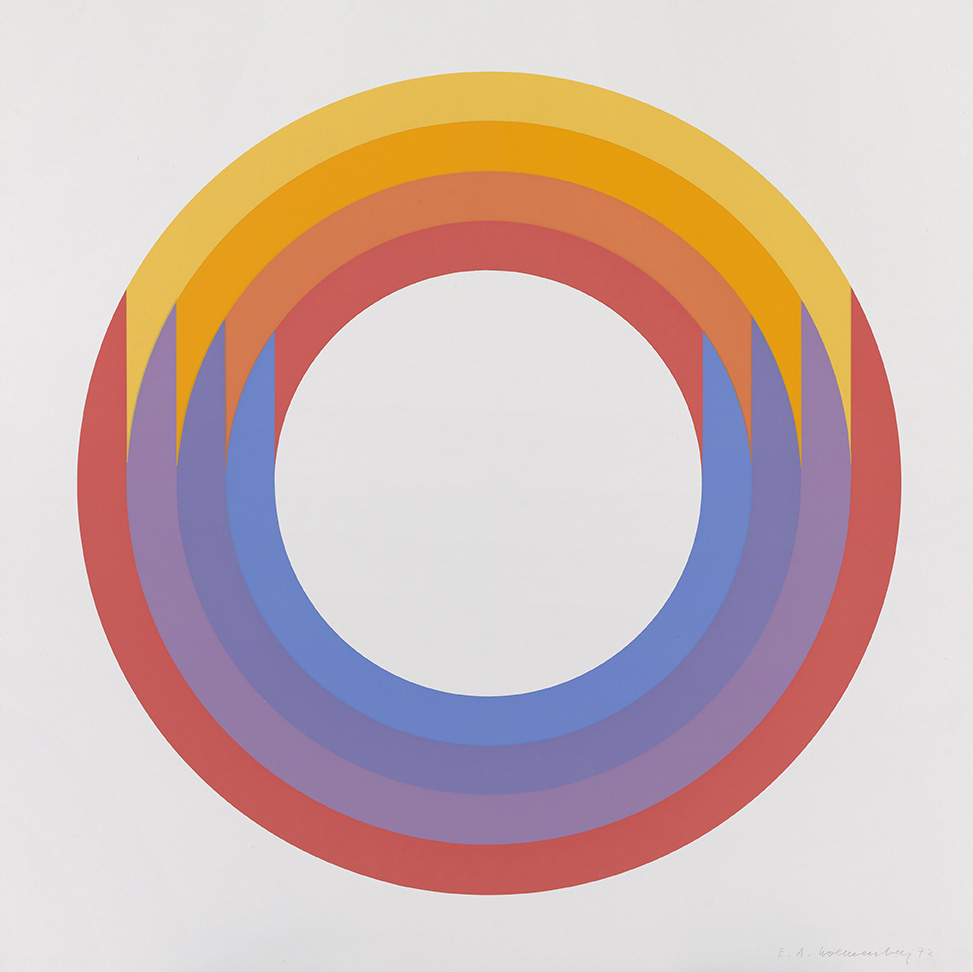
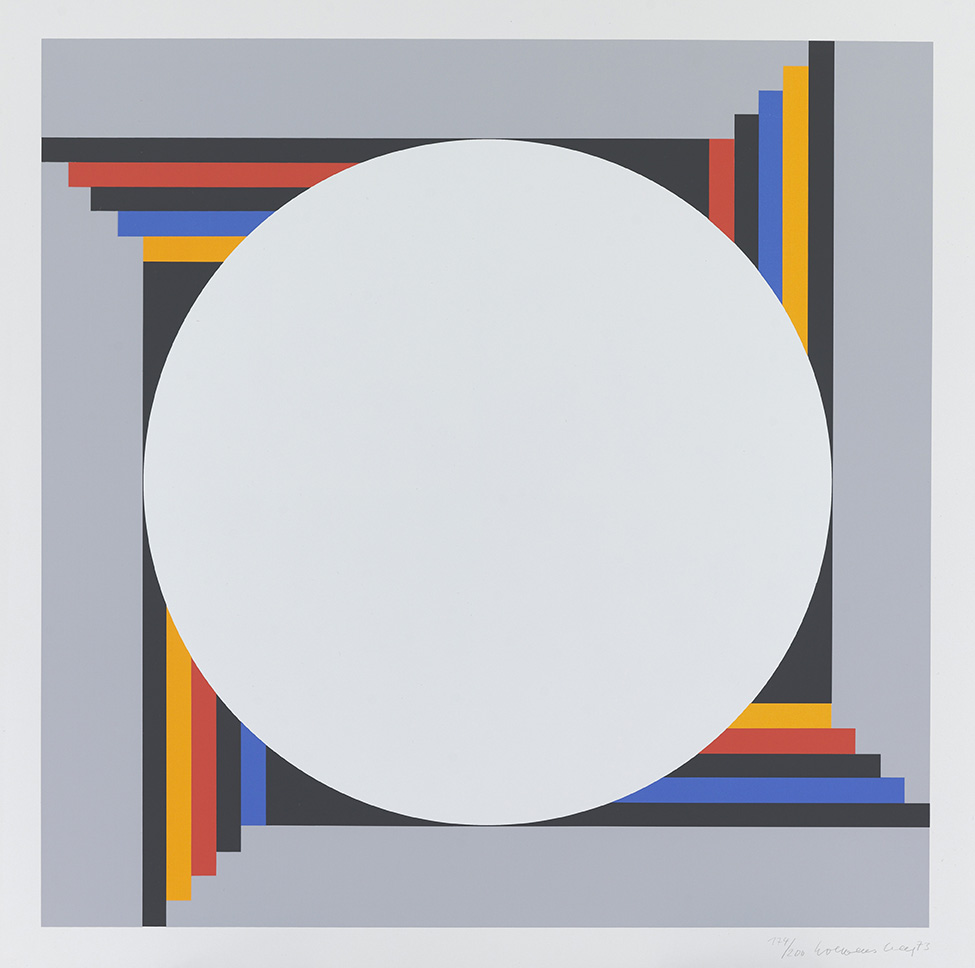
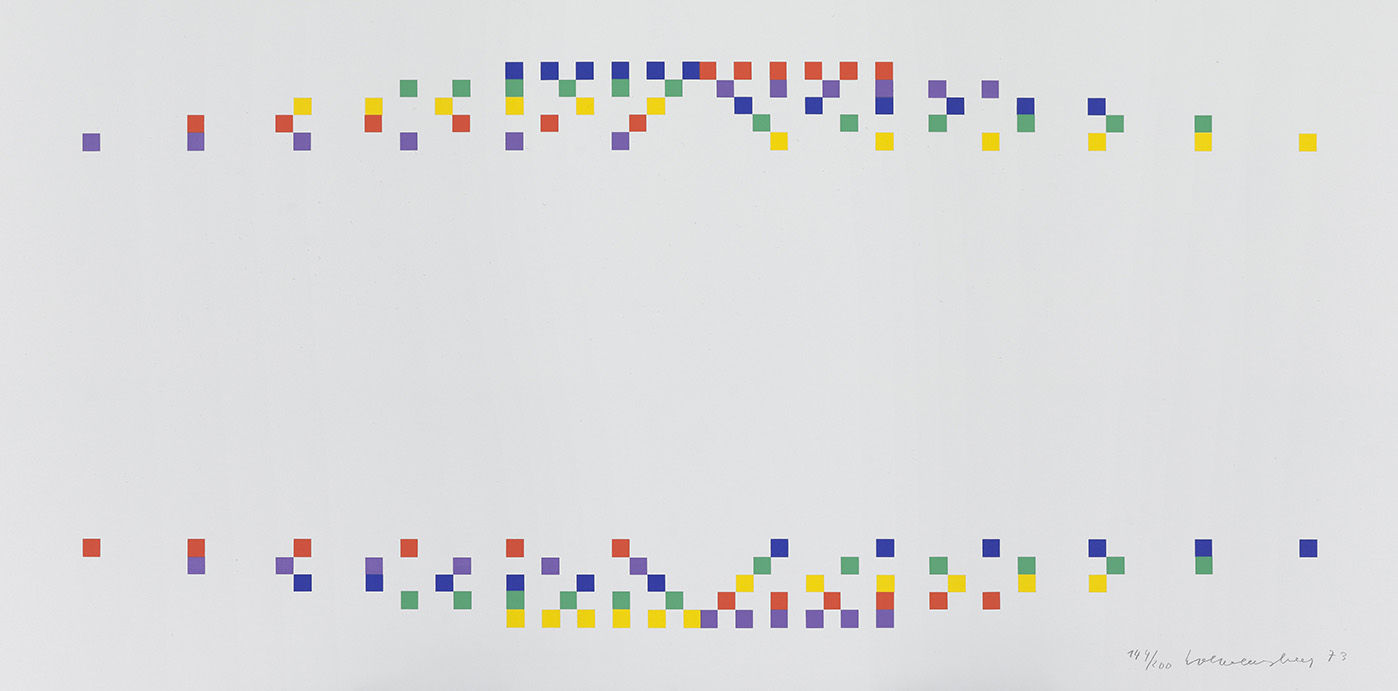
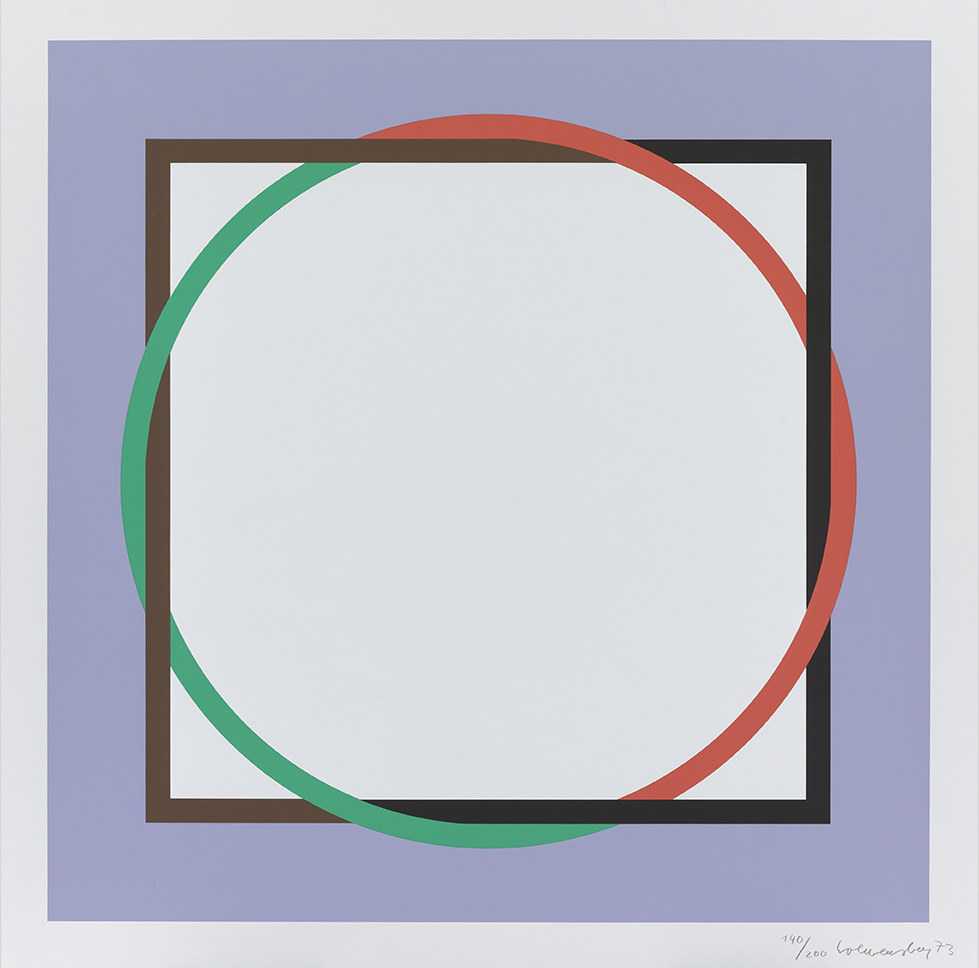
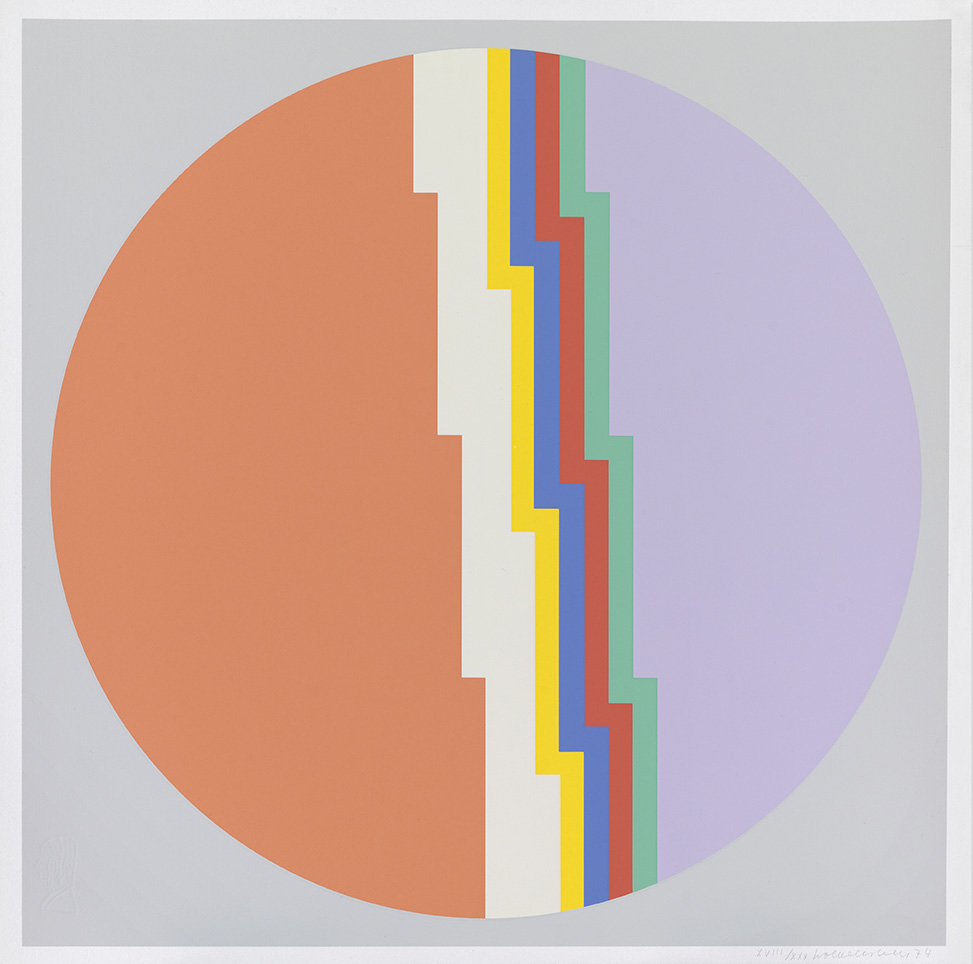
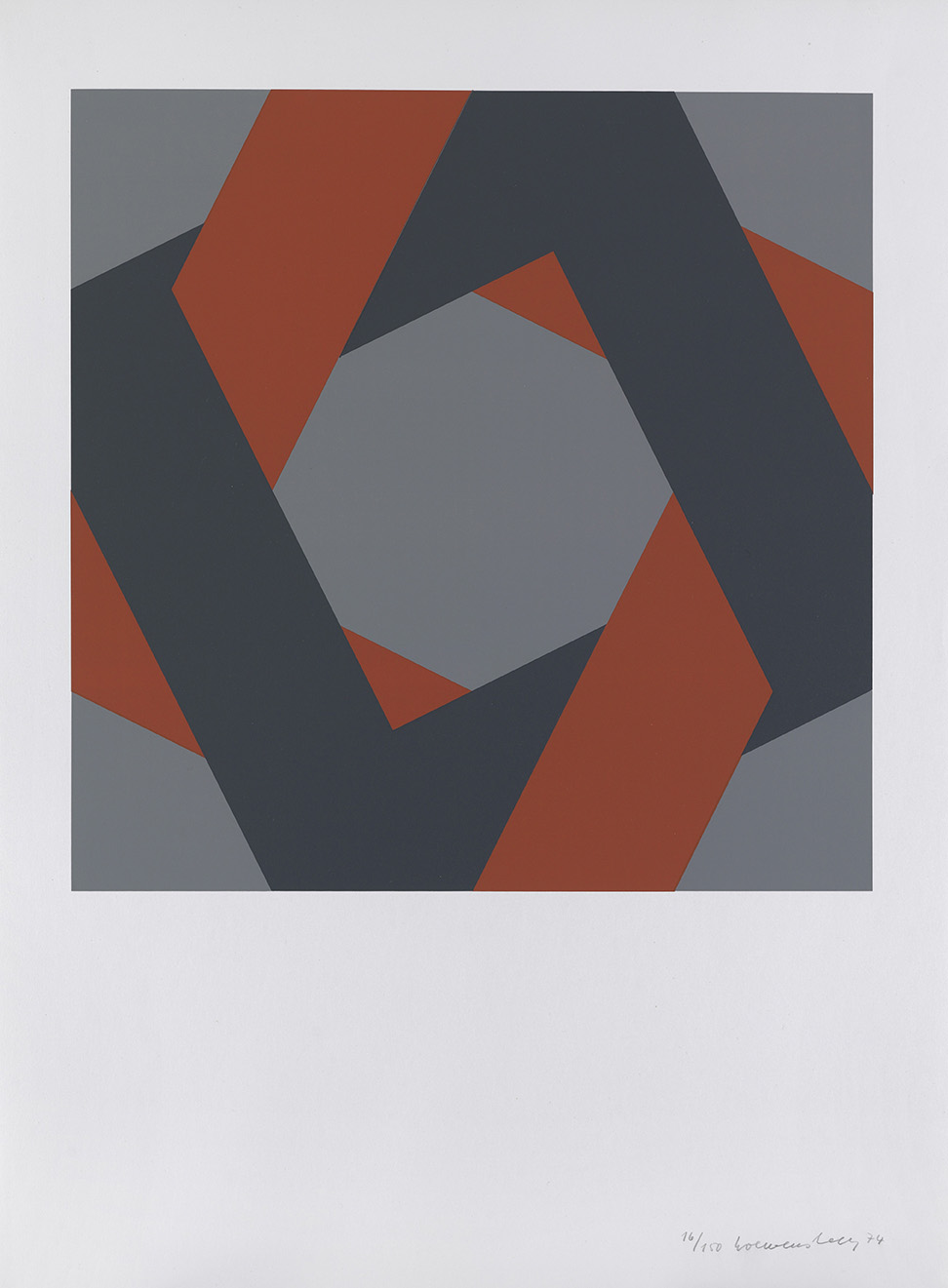
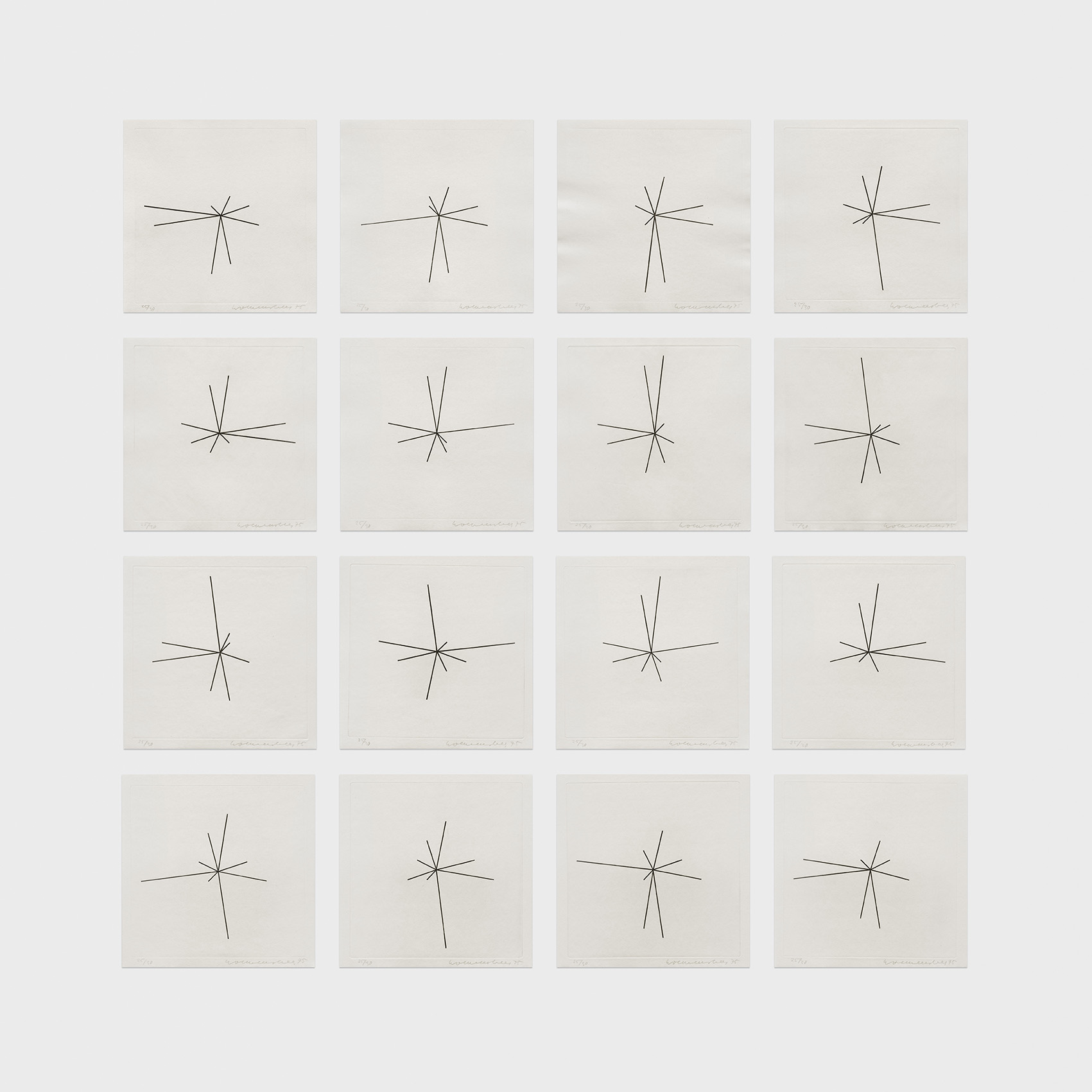
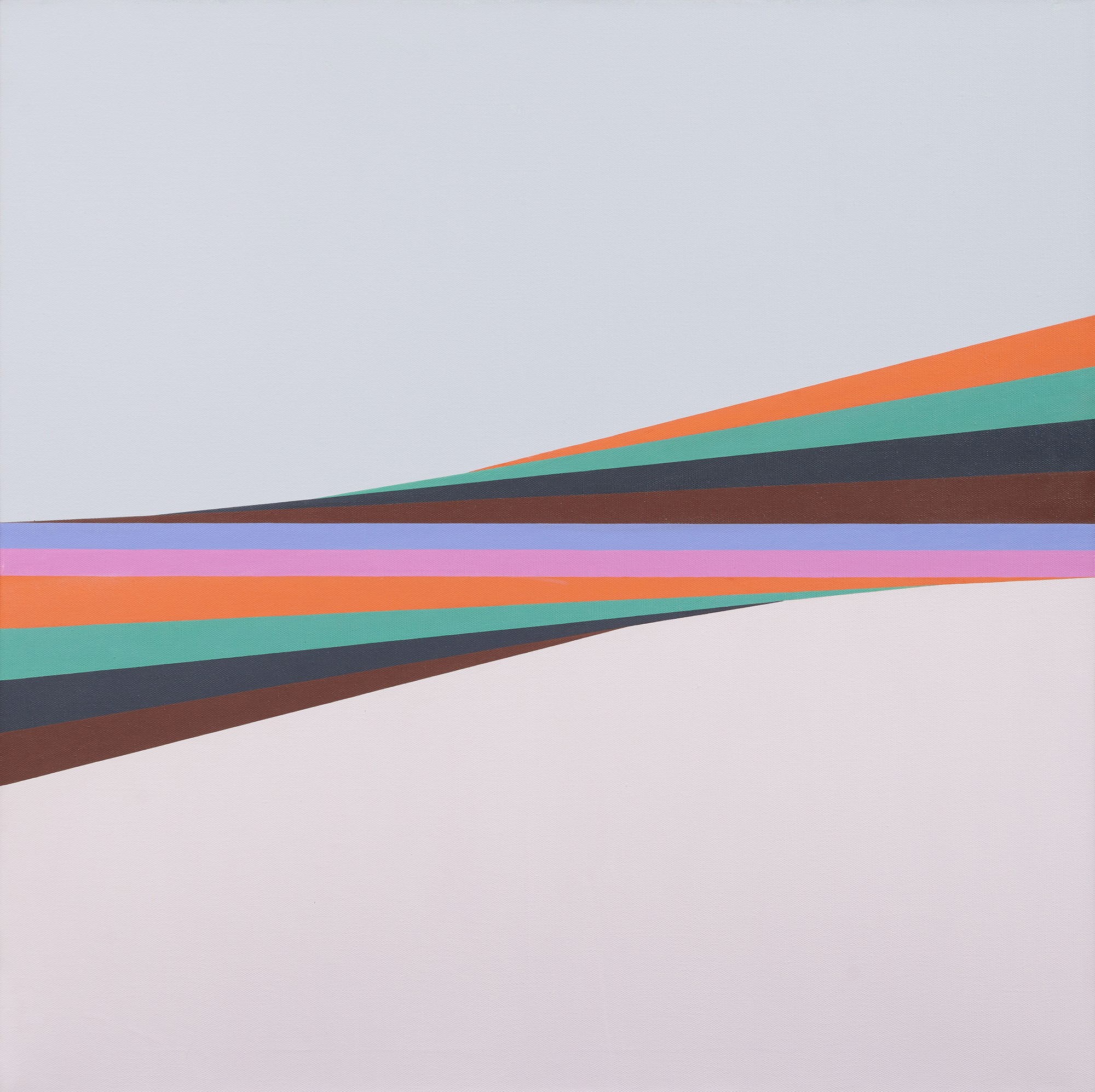
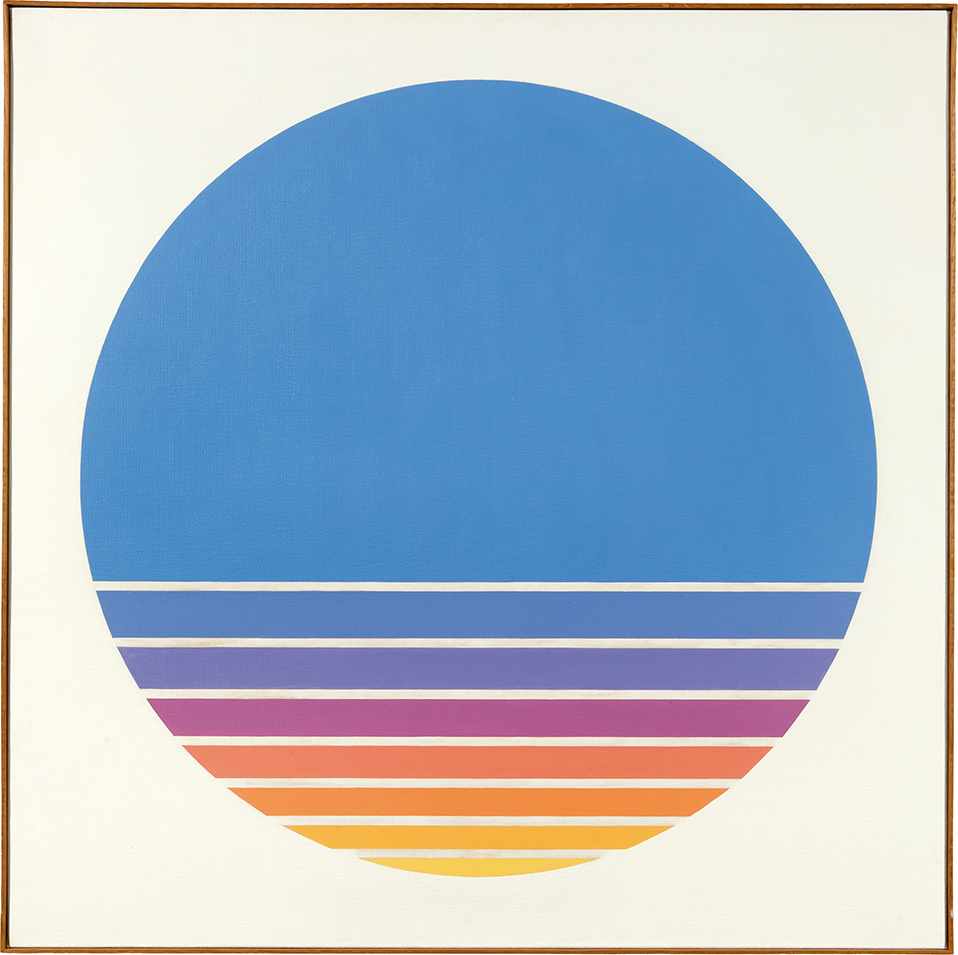
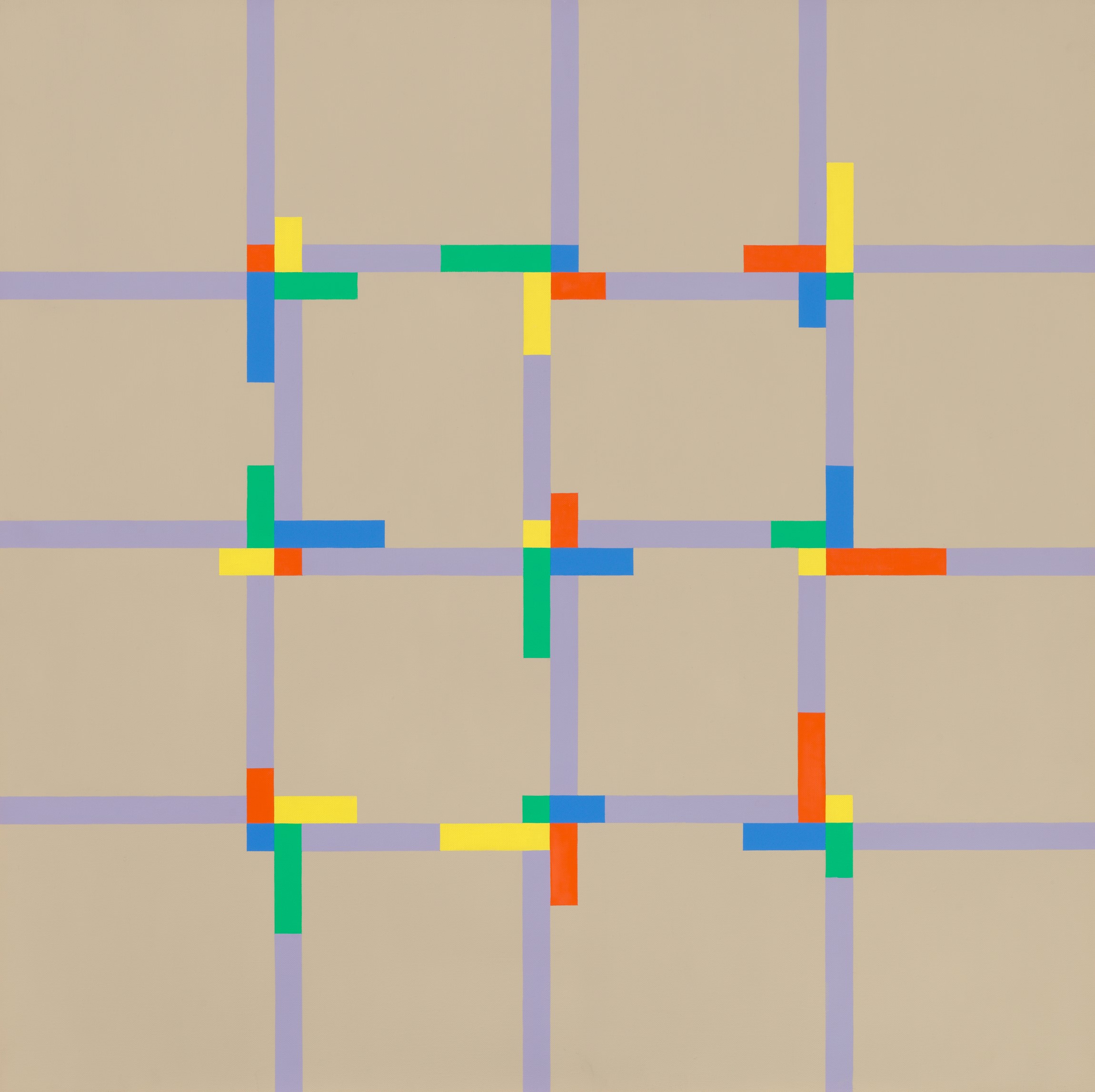
A jazz enthusiast, in the 1960s she and her second husband Alfons (Föns) Wickart opened the successful City-Discount record shop in Zurich, selling the latest jazz albums imported from the United States. Following its closure, she devoted herself entirely to painting, developing works that moved away from the strict precepts of concrete art. Reflecting her penchant for applied arts and music, her work includes the audacious use of grids and colour, pushing the boundaries of geometric abstraction towards op art, pop art, and sometimes minimalism. The first retrospective exhibition of her work was held in 1981 at the Kunsthaus Zürich, five years before her death.
Along with Sophie Taeuber-Arp, Verena Loewensberg is one of the most important Swiss women artists of the twentieth century. Of a younger generation than her compatriot, she similarly trained in textiles and dance, beginning her education at the Basel School of Arts and Crafts.
In the late 1930s, shortly after having attended Auguste Herbin’s classes at the Académie Moderne in Paris, she and her friend Max Bill formed a Zurich-based concrete art group along with Camille Graeser and Paul Lohse. The movement remained influential until the late 1960s, when other international trends like pop art and conceptual art gained pace. She was the only woman present at the founding of the Allianz association in 1937, and around this time she created her first abstract paintings, strongly influenced by the work of Theo van Doesburg and Georges Vantongerloo. Whatever surface she used (canvas, wood, silk), she paid consistent attention to the pictorial field and to the use of colour and form.
A jazz enthusiast, in the 1960s she and her second husband Alfons (Föns) Wickart opened the successful City-Discount record shop in Zurich, selling the latest jazz albums imported from the United States. Following its closure, she devoted herself entirely to painting, developing works that moved away from the strict precepts of concrete art. Reflecting her penchant for applied arts and music, her work includes the audacious use of grids and colour, pushing the boundaries of geometric abstraction towards op art, pop art, and sometimes minimalism. The first retrospective exhibition of her work was held in 1981 at the Kunsthaus Zürich, five years before her death.